

Top eco trends and tips for cement and concrete retail
From towering skyscrapers to highways and everyday building structures, cement and concrete materials are indispensable to development. These materials form the backbone of modern construction, shaping urban landscapes and supporting critical infrastructure.
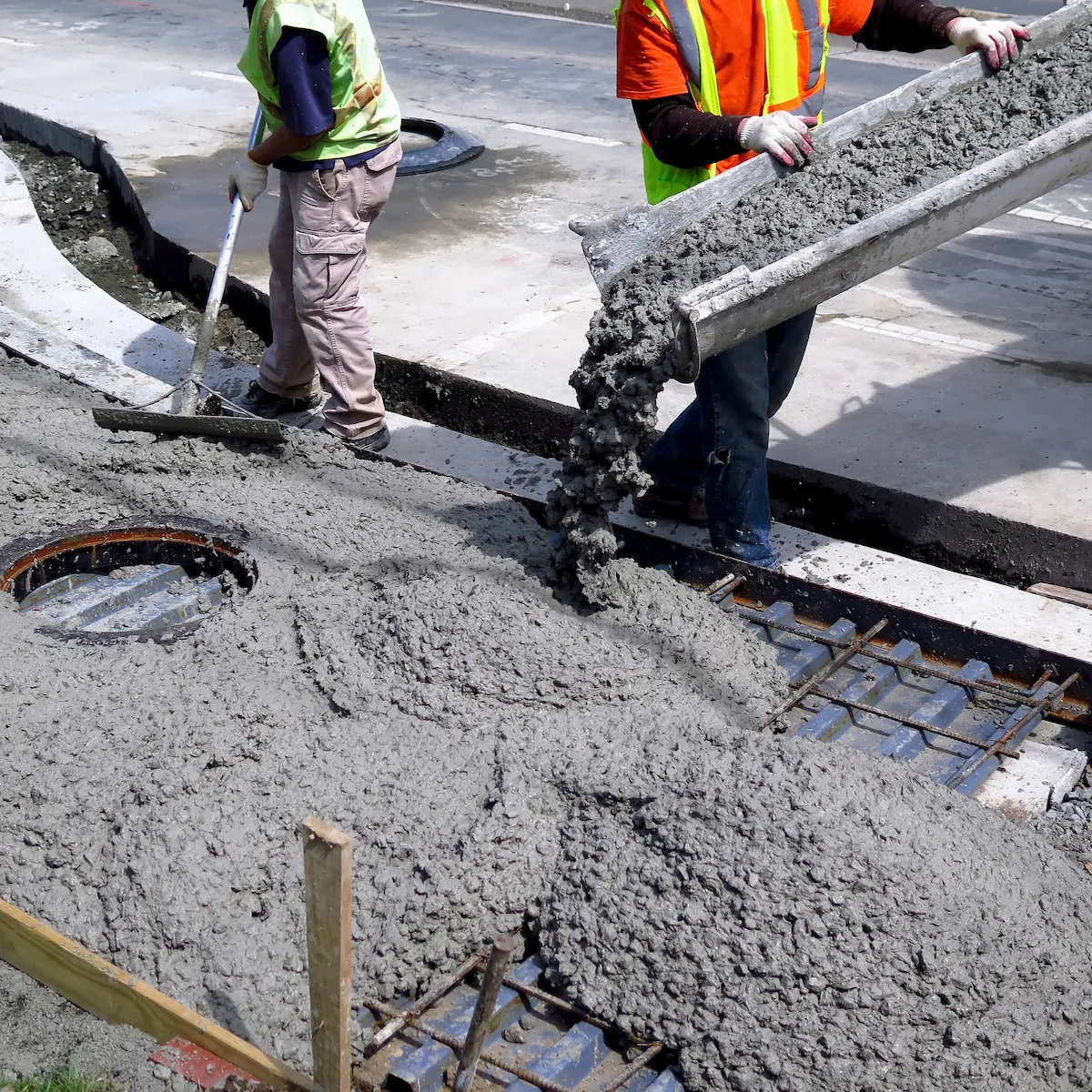
The African cement industry stands at the threshold of unprecedented growth, offering savvy retailers significant opportunities to expand their building materials business. As rapid urbanisation transforms the continent’s landscape, cement demand across sub-Saharan Africa is reaching record highs, with infrastructure spending projected to increase by more than 10% annually by 2025. This construction boom mirrors similar trends in Southeast Asia and parts of South America, positioning Africa as a critical global market for cement producers and retailers alike.
For hardware stores and building supply merchants, this surge presents a compelling opportunity to diversify product offerings, strengthen cement-related inventory, and develop strategic relationships with manufacturers who can guarantee consistent supply during this period of explosive growth in the construction sector.
Moreover, understanding the importance, challenges, and advancements in this sector can help professionals, retailers, and end-users navigate this essential industry more effectively.
Environmental impacts and concerns
Cement manufacturing stands as one of construction’s most significant environmental challenges, contributing approximately 8% of global carbon emissions despite concrete being the world’s second most consumed substance after water.

The environmental impact is twofold: the chemical transformation of calcium carbonate into lime inherently releases CO2 as a byproduct, while energy-intensive kilns requiring temperatures above 1,400°C consume substantial fossil fuels. Each tonne of cement produces roughly 900kg of CO2, accounting for 88% of emissions in typical concrete mixtures.
Standard structural concrete (14% cement) generates approximately 410kg/m³ of CO2. However, replacing 30% of cement with alternatives like fly ash significantly reduces emissions to about 290kg/m³, demonstrating viable paths toward sustainability.
Beyond carbon emissions, the industry drives resource depletion as sand and gravel become increasingly scarce. In South Africa, where water scarcity remains critical, concrete’s water-intensive production and curing processes present additional challenges.
Without intervention, these environmental burdens risk outweighing cement’s infrastructural benefits, making innovation in sustainable production methods essential for the industry’s future.
Emerging trends and industry challenges
Digital innovation is rapidly transforming the cement industry from a manufacturing necessity into a competitive advantage. Industry experts predict that by 2025, cement production will be fundamentally reshaped by artificial intelligence, machine learning, and IoT technologies, creating smarter plants with optimised efficiency and significantly reduced waste. Forward-thinking manufacturers are already implementing predictive maintenance systems that dramatically decrease plant downtime, whilst smart sensors provide real-time performance data that enables more sustainable and cost-effective operations. These advancements are becoming increasingly vital for operators of Rotary Kiln Cement Plants, the critical infrastructure at the heart of cement manufacturing.
Alongside technological transformation, the cement industry is embracing resource innovation through alternative materials. Traditional cement manufacturing relies heavily on limestone and clay, but growing resource scarcity and environmental regulations are driving significant changes in production inputs. According to the Global Cement and Concrete Association (GCCA), by 2025, sustainable alternatives such as fly ash, slag, recycled plastics, and innovative materials like geopolymer cement will constitute at least 30% of global cement production. These alternatives not only address waste management challenges but also promise remarkable environmental benefits, with the GCCA reporting potential carbon emission reductions of up to 90%. For manufacturers, these alternatives offer the added advantages of reduced production costs and lower energy consumption, creating a triple win for business, consumers, and the environment.
Despite the cement industry’s promising growth, manufacturers and retailers face significant challenges that will shape the sector’s future. Raw material scarcity represents a pressing concern as the increasing demand for cement drives up requirements for limestone, clay, and gypsum — resources with finite availability and substantial environmental extraction impacts.
The energy-intensive nature of cement production presents yet another hurdle as manufacturers contend with volatile energy costs. Traditional cement plants rely heavily on fossil fuels — coal, oil, and natural gas — all subject to unpredictable price fluctuations that directly impact product costs and retailer margins. Although renewable alternatives like solar and wind power offer promising long-term solutions, they require substantial upfront investment that many manufacturers are still working to secure.
Retailers who partner with manufacturers embracing sustainable materials and energy-efficient processes will be better positioned to weather these industry-wide challenges while meeting growing consumer demand for environmentally responsible building materials.
In South Africa, eco-conscious developers and architects increasingly choose recycled concrete or green concrete, which incorporates industrial by-products and reduces the reliance on traditional cement.
These advancements underscore that a sustainable future for industry is possible, but achieving it requires ongoing collaboration between policymakers, manufacturers, and retailers.
However, South Africa’s industry faces challenges in terms of regulations and policies. The Board of Cement & Concrete SA (CCSA), the industry body that had been promoting quality and environmentally friendly cement and concrete products, has officially ceased operations. In line with its Memorandum of Incorporation, the CCSA deregistered from the Companies and Intellectual Property Commission in 2024.
A report submitted to DIY & Industrial Trade News in May 2024 revealed that after a final attempt in 2021 to consolidate the various industry bodies, namely The Concrete Institute (TCI), the Concrete Society of Southern Africa, and the Association of Cementitious Material Producers (ACMP) into one entity known as CCSA, the initiative failed to achieve its desired objectives. It was initially anticipated that running CCSA would result in cost savings, but a continued lack of investment in infrastructure placed further strain on the already challenged industry. As a result, the decision was made to wind down the organisation, effective from 1 April 2024.
Despite these setbacks, the industry continues to strive towards aligning with international carbon emission standards and sustainable practices, ensuring that its products are more environmentally friendly.

Benefits of stocking cement and concrete products for hardware retailers
For hardware retailers, offering a diverse range of cement and concrete products presents both competitive and financial benefits. With construction and DIY markets thriving, positioning your business as a reliable supplier can ensure a steady footfall and encourage repeat customers.
By stocking eco-friendly alternatives, pre-mixed concrete, and specialty items like waterproof or fast-setting cement, retailers can cater to a range of customer needs while capitalising on emerging trends. Furthermore, promoting cement and concrete sales alongside complementary products such as adhesives, sealants, tools, and safety gear can result in higher sales and improved profit margins.
Equipping staff with knowledge about the products and their application can foster confidence in your sales force while building trust and loyalty among customers.
Recommending the right product: Guidance for retailers
To maximise customer satisfaction, retailers should prioritise guiding their clients in selecting the right products for their specific projects. Each product serves unique purposes, so understanding their properties will help when making informed recommendations:
- General-purpose cement: Ideal for small DIY projects, plastering, and bricklaying. This is a versatile choice, particularly for first-time or inexperienced users.
- Rapid-setting cement: Suitable for projects requiring quick results, such as road repairs or patchwork. Highlight its time-saving benefits, especially for professionals and DIY enthusiasts.
- High-strength concrete: Designed for load-bearing structures like foundations and columns. Emphasise its importance in ensuring reliability and structural integrity.
- Waterproof or marine cement: Recommended for projects exposed to water or damp conditions, such as swimming pools, bathrooms, or coastal buildings. Pairing these products with additional waterproofing solutions can enhance sales.
- Eco-friendly options: Promote sustainable alternatives, including supplementary cementitious materials (SCM) or recycled concrete, for projects with green building standards. These options are particularly appealing to environmentally conscious customers and professionals.
Quality cement suppliers that retailers can consider stocking
By stocking a selection of general-purpose, quick-setting, and specialty cements from reputable manufacturers, retailers can position themselves as comprehensive solution providers for construction projects of all sizes. Remember that cement products often lead to additional sales of complementary items such as sand, aggregate, tools, and waterproofing solutions.
SEPHAKU CEMENT: SUSTAINABLE SOLUTIONS FOR RETAILERS

Building retail success with quality cement products
Retailers seeking dependable, high-performance cement solutions now have compelling reasons to stock Sephaku Cement products. With an extensive range of quality offerings and a commitment to sustainability, Sephaku Cement delivers products that meet customer demands while providing retailers with valuable market advantages.
Superior product consistency and performance
Sephaku Cement stands in the market through exceptional consistency and performance. Using tightly controlled raw material sourcing and advanced blending processes, the manufacturer ensures uniform quality across all batches. Each mix is engineered for excellent workability, early strength gain, and long-term durability — qualities that customers increasingly demand.
Sephaku products are designed to perform reliably in varied applications, from DIY projects to large commercial developments. Reliability translates to fewer returns and stronger customer loyalty for retailers.
Sustainable practices drive customer appeal
Modern consumers increasingly prioritise environmentally responsible products, and Sephaku Cement leads in this area. The company has implemented a comprehensive decarbonisation plan that focuses on energy efficiency, alternative fuels, and waste reduction.
In 2024 alone, Sephaku Cement recycled over 300 tonnes of waste materials and co-processed more than 5,000 tonnes of waste tyres as fuel alternatives. These initiatives not only reduce environmental impact but also create compelling selling points for retailers catering to eco-conscious customers.
Quality certifications build consumer confidence
All Sephaku Cement products comply with South African standards (SANS 50197-1) and carry the SABS mark, providing retailers with strong quality assurances to pass on to customers. The National Regulator for Compulsory Specifications (NRCS) approval further validates the brand’s commitment to excellence.
Rigorous in-house and third-party testing ensures consistent strength, setting time, and durability across all products, giving retailers confidence in the merchandise they stock.
Comprehensive retailer support programme
Sephaku Cement’s people-first approach creates genuine partnerships with retailers. The company offers extensive support, including:
- Co-branded marketing materials and in-store displays
- Staff training on product features and applications
- Targeted promotional campaigns
- Reliable product availability and consistent supply.
What truly differentiates the company is its accessibility and responsiveness, as they understand retail challenges and provide personalised support to help their partners maximise sales opportunities.
Product range for diverse customer needs
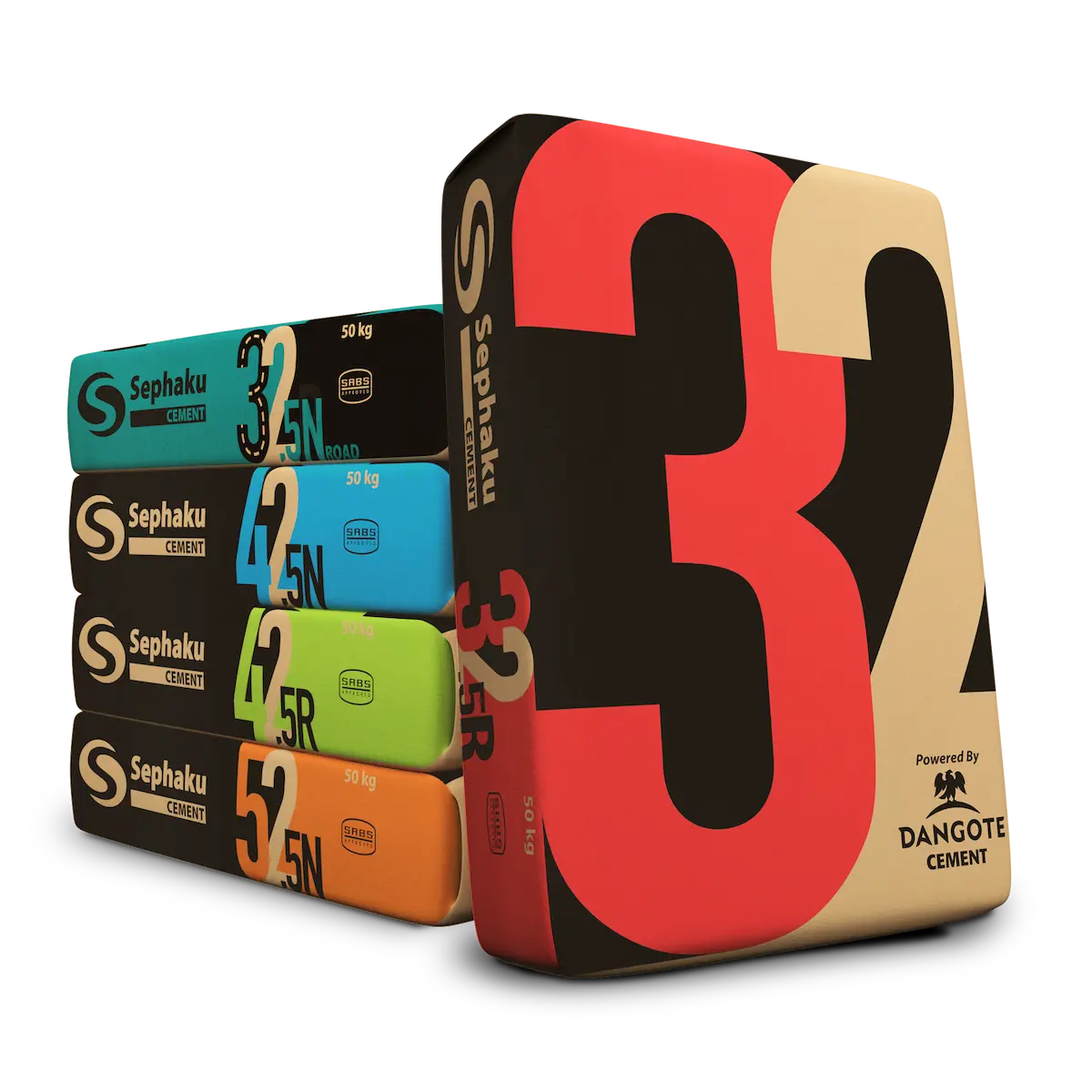
Sephaku’s comprehensive range addresses varied customer requirements:
- Sephaku 32: Ideal for general homebuilding applications
- Sephaku 42N: Versatile cement for diverse construction uses
- Sephaku 42R: Early-strength cement for structural applications
- Sephaku 52: High-performance cement for demanding projects
- SepROAD: Specialised formulation for road stabilisation.
This diverse product lineup enables retailers to serve both DIY enthusiasts and professional contractors with the right solutions for any application.
By stocking Sephaku Cement products, retailers position themselves as providers of quality, environmentally responsible building solutions that meet today’s construction demands while supporting a sustainable future.
For more information: visit: www.sephakucement.co.za; call: 012 684 6300
BOOST SALES WITH AFRISAM’S PREMIUM CEMENT SOLUTIONS
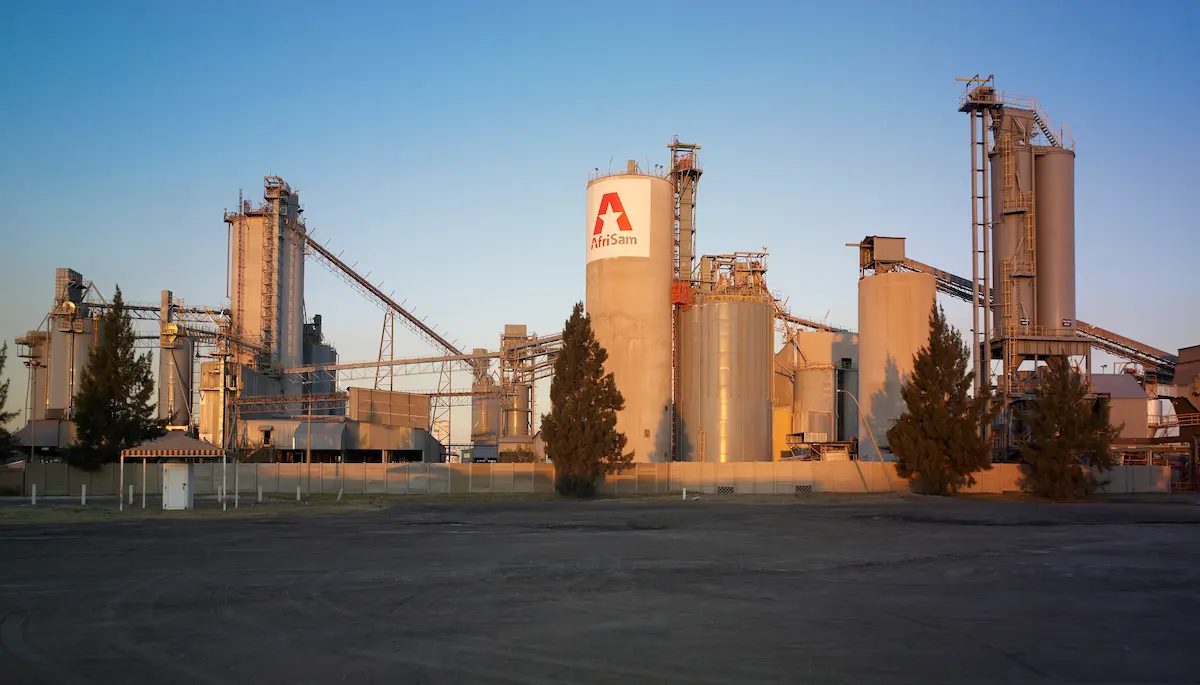
Quality and sustainability drive customer confidence
Retailers looking to strengthen their building materials offering should consider AfriSam’s comprehensive range of cement solutions. With their proven track record of quality and reliability, AfriSam products present a valuable opportunity for retailers to meet diverse customer needs while enhancing profitability.
Superior quality builds customer loyalty
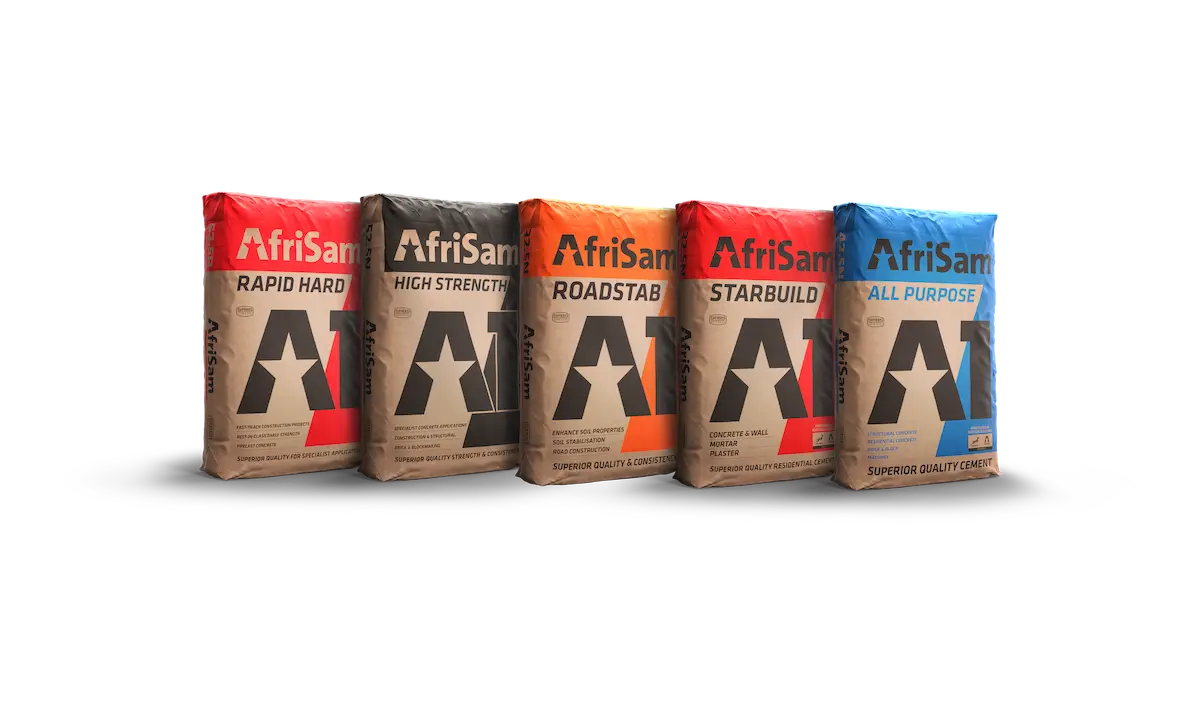
AfriSam’s cement products, including their popular All Purpose 42,5N cement, are manufactured to the highest standards, with consistent performance that customers can rely on. These products comply with SANS 50197 standards and carry SABS approval, providing retailers with strong quality assurances to pass on to customers.
“Our rigorous quality control procedures ensure that our cement maintains the consistent strength and workability that both professional contractors and DIY enthusiasts demand,” explains AfriSam sales and marketing executive Richard Tomes. “This consistency builds customer confidence and encourages repeat business for retailers.”
Sustainability boosts market appeal
Modern consumers increasingly prioritise environmentally responsible products, an area where AfriSam has established leadership. The company incorporates innovative eco-friendly materials such as fly ash and slag from industrial by-products, significantly reducing the carbon footprint of their cement.
AfriSam’s commitment to the circular economy principles resonates with environmentally conscious customers, creating a compelling selling point for retailers. Their products align with global green building trends, allowing retailers to cater to the growing segment of sustainability-focused consumers.
Versatile products serve diverse customer needs
AfriSam offers solutions for a range of applications, from small DIY projects to large-scale construction, ensuring retailers can serve various customer segments with a single trusted brand.
Whether customers need products for strong structural foundations, smooth finishes, or durable outdoor features, AfriSam’s range delivers exceptional performance. This versatility eliminates the need for retailers to stock multiple brands, simplifying inventory management while meeting diverse customer requirements.
Comprehensive retailer support maximises sales potential
Retailers partnering with AfriSam benefit from extensive support, including:
- In-store branding and engaging point-of-sale materials
- Comprehensive product training for staff
- Technical advisory services for complex customer queries
- Marketing resources to drive foot traffic
- Reliable supply chains ensure consistent product availability.
“We understand that retailer success drives our success,” notes Tomes. “That’s why we invest heavily in support programmes that help our partners maximise cement sales opportunities.”
Trusted brand builds consumer confidence
With over 90 years of experience in the African market, AfriSam’s well-established reputation provides retailers with immediate credibility. Customers recognise and trust the AfriSam brand, reducing the sales hurdles retailers often face with lesser-known products.
By stocking AfriSam’s cement, retailers position themselves as providers of quality, environmentally responsible building materials that meet today’s construction demands whilst supporting a sustainable future. The combination of superior products, comprehensive support, and strong brand recognition makes AfriSam an ideal partner for retailers seeking to strengthen their building materials offering.
For more information: visit: www.afrisam.co.za; call: 0860 141 141
Conclusion
Cement and concrete are cornerstones in the development of our urban and rural landscapes. However, as environmental considerations reshape the industry, stakeholders, including hardware retailers, must embrace sustainable practices.
By offering eco-friendly options and educating customers on various product applications, retailers can boost sales and foster a more environmentally responsible construction sector. From residential DIY tasks to large-scale infrastructure development, these essential materials continue to play a pivotal role. Retailers who adapt to emerging trends, stock high-quality products, and focus on their customers’ goals are well-positioned to thrive in this evolving sector, all while contributing to a greener, more sustainable future.
